Signs Your Basement or Foundation Needs Waterproofing
If you notice signs your basement or foundation needs waterproofing, local contractors can assess the issue and provide effective solutions to protect your home.
Understanding the signs that your basement or foundation may need waterproofing is an important step for property owners in the area. Recognizing issues early can help prevent more extensive damage and costly repairs down the line. Common indicators include persistent dampness, musty odors, or visible water stains on walls and floors. These signs often point to underlying moisture problems that require professional attention, and local contractors specializing in waterproofing services are equipped to assess and address these concerns effectively.
Many property owners in the community consider waterproofing services to protect their investments and maintain a safe, stable environment. Whether dealing with minor leaks or more significant moisture intrusion, experienced service providers can help identify the root causes and recommend appropriate solutions. Keeping an eye out for warning signs and seeking the expertise of local pros can make a meaningful difference in preserving the integrity of a home’s foundation and basement space. Keep reading to learn more about how to spot these issues early on.
- Cracked or bulging basement walls - signs your basement or foundation needs waterproofing often include visible cracks or bulges, and local contractors assess these issues to determine appropriate sealing or reinforcement solutions.
- Persistent dampness or mold - when moisture remains after rainfall or shows up on basement surfaces, local service providers can identify sources of water intrusion and apply waterproofing measures.
- Water stains or efflorescence - these signs indicate water seepage through foundation walls, prompting local pros to evaluate drainage and apply waterproof coatings or barriers.
- Musty odors or mildew - ongoing odors suggest hidden moisture problems, and local contractors specialize in detecting leaks and implementing waterproofing systems to prevent future issues.
- Foundation settling or shifting - movement in the foundation can lead to water infiltration, and experienced service providers can recommend waterproofing methods tailored to foundation stability concerns.
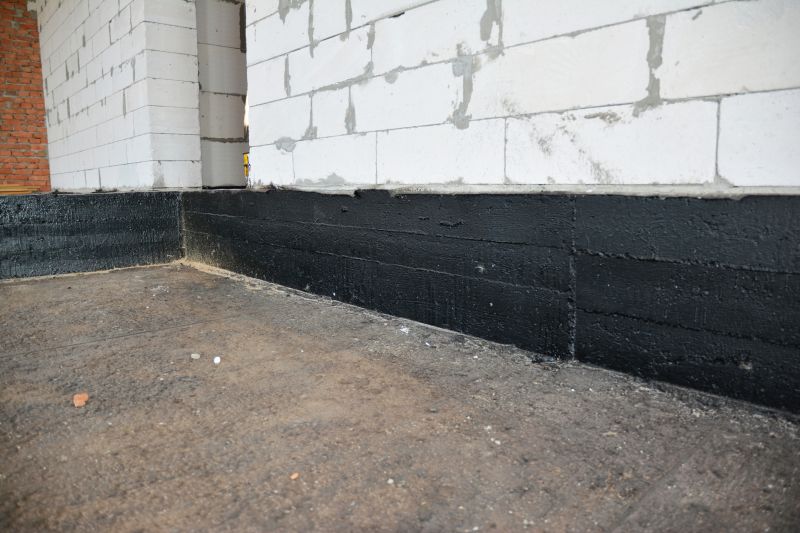
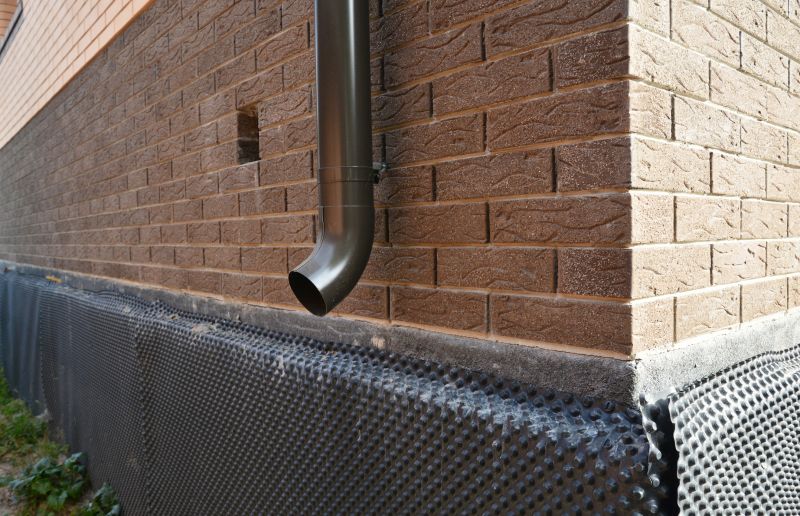
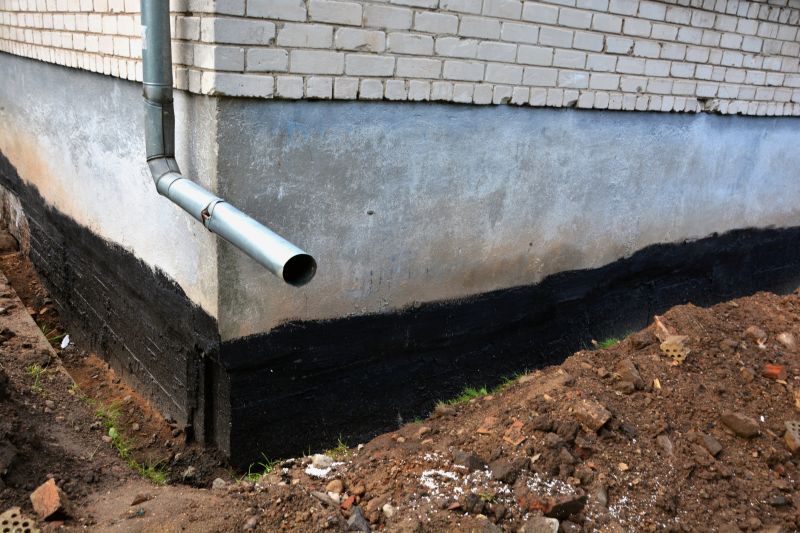
When homeowners search for signs their basement or foundation needs waterproofing, they are often looking for clues that indicate potential water intrusion or structural issues. These signs typically relate to ongoing or past problems with moisture, leaks, or dampness that can compromise the integrity of a property. Many property owners are concerned about the safety and durability of their homes, especially if they have experienced previous flooding, high humidity, or visible water stains. Recognizing these early warning signs can help prevent more serious damage and costly repairs down the line, making it a common reason for homeowners to seek advice from local contractors specializing in basement or foundation waterproofing.
The problems associated with inadequate waterproofing often involve persistent dampness, mold growth, and structural weakening. Water seepage through basement walls or floors can lead to peeling paint, musty odors, and discoloration on walls or floors. Over time, moisture issues may cause cracks in the foundation or walls, which could worsen if not addressed promptly. For homeowners planning renovations or new construction, understanding these signs is essential to ensure long-term stability. Many property owners also consider waterproofing when they notice their basement is unusable due to dampness or when they plan to convert the space into a livable area, making waterproofing services a key part of their project planning.
Property types that commonly come up in discussions about waterproofing include single-family homes, especially those built on challenging soil conditions or in areas prone to heavy rainfall. Basement apartments, rental properties, and historic homes often have unique vulnerabilities that require targeted waterproofing solutions. Commercial buildings with underground levels or parking garages may also need waterproofing to prevent water infiltration that could disrupt operations or cause damage. Regardless of the property type, local contractors who specialize in waterproofing are equipped to assess specific needs, whether it involves sealing cracks, installing drainage systems, or applying waterproof coatings to protect the structure from moisture intrusion.
Understanding how these signs connect to real projects helps homeowners see the importance of timely intervention. When signs of water intrusion or foundation issues appear, local service providers can evaluate the situation and recommend appropriate waterproofing methods tailored to the property’s needs. These professionals play a crucial role in preventing further damage, improving indoor air quality, and maintaining the structural integrity of the home or building. For property owners, recognizing the signs that indicate a waterproofing need is the first step toward securing a safer, more durable space, with local pros ready to assist in addressing these challenges effectively.
Drainage System Installation - Installing effective drainage systems around foundations requires skills similar to waterproofing, including planning, site assessment, and the use of specialized tools.
Foundation Crack Repair - Repairing cracks in foundations involves understanding structural issues and applying techniques that prevent water intrusion, aligning with waterproofing strategies.
Basement Wall Sealing - Sealing basement walls to prevent moisture penetration uses similar materials and methods as waterproofing, requiring careful surface preparation and application skills.
Waterproofing Membrane Application - Applying waterproof membranes on foundations involves detailed surface work and knowledge of waterproofing products, paralleling other moisture control projects.
Crawl Space Encapsulation - Encapsulating crawl spaces to control humidity and moisture is related to basement waterproofing, involving planning, sealing, and the use of protective barriers.
Sump Pump Installation - Installing sump pumps to manage excess water involves electrical and plumbing skills, complementing the work of waterproofing systems to protect foundations.
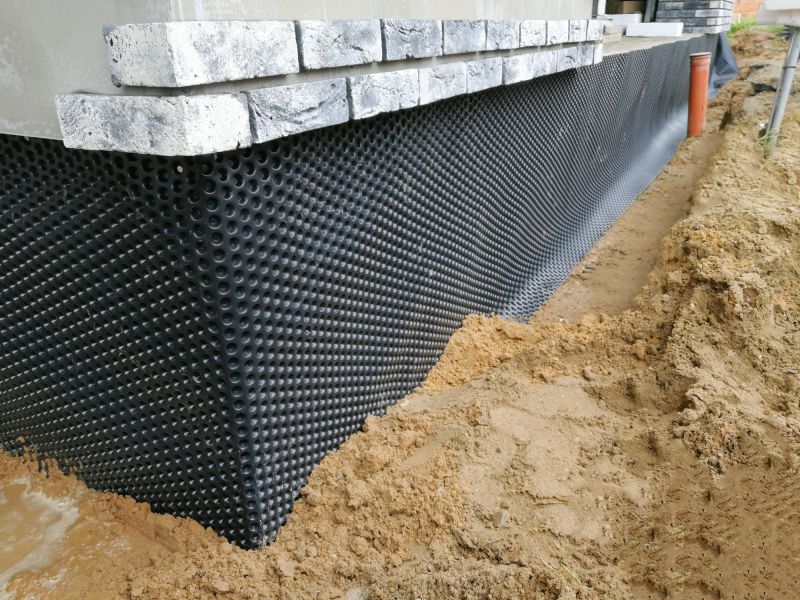
When evaluating local contractors for basement or foundation waterproofing, it’s important to consider their experience with similar projects. Homeowners should seek service providers who have a proven track record of handling waterproofing issues comparable to those they are facing. Asking about previous work can help determine if a contractor is familiar with the specific signs that indicate a basement or foundation needs waterproofing, such as persistent dampness, water stains, or foundation cracks. An experienced contractor will understand the nuances of different waterproofing methods and be better equipped to recommend solutions tailored to the unique conditions of the home.
Clear written expectations are essential when comparing local service providers for waterproofing projects. Homeowners should look for contractors who provide detailed proposals that outline the scope of work, materials to be used, and the steps involved in the process. Transparent communication about what the project entails helps set realistic expectations and minimizes misunderstandings. It’s also beneficial to review any written warranties or guarantees offered, as these documents can provide insight into the contractor’s confidence in their work and commitment to quality.
Reputable references and good communication are key factors in selecting a reliable basement or foundation waterproofing contractor. Service providers who can furnish references from past clients demonstrate transparency and a history of satisfactory work. Additionally, responsive and clear communication throughout the inquiry process indicates professionalism and a willingness to address questions or concerns. Homeowners should prioritize contractors who listen carefully, provide thorough explanations, and are open to discussing different options. This approach helps ensure that the project will be managed smoothly and that the homeowner feels confident in the chosen service provider’s capabilities.
Property owners often search for signs your basement or foundation needs waterproofing when they are planning practical projects around their homes and businesses. Local pros provide Basement or Foundation Waterproofing services for everyday jobs and straightforward project options.
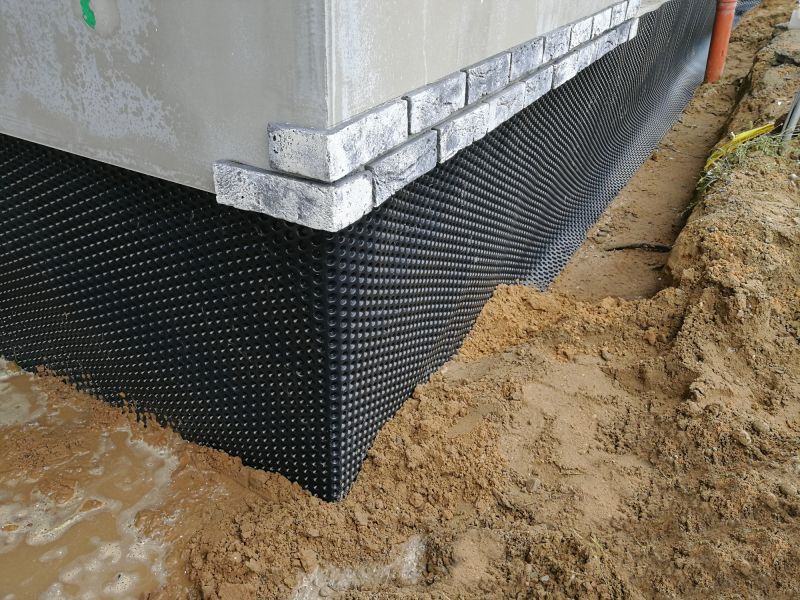
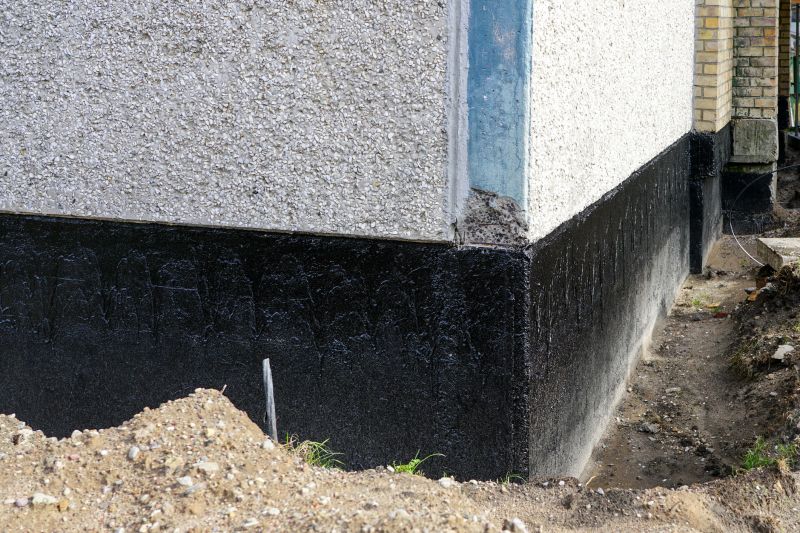
Many property owners in the area notice signs that their basement or foundation may need waterproofing after experiencing issues like dampness on basement walls, persistent musty odors, or visible water stains on floors and ceilings. These everyday situations often prompt homeowners to seek advice and consider professional services to prevent further damage. Recognizing early warning signs such as peeling paint, efflorescence (white mineral deposits), or small cracks can help identify potential waterproofing needs before more serious problems develop.
Other common reasons for exploring basement or foundation waterproofing services include noticing mold growth or increased humidity levels in the lower levels of a home. These issues can be caused by moisture seepage or inadequate drainage around the foundation. Property owners who observe these signs often turn to local contractors who specialize in waterproofing solutions to protect their homes and maintain a safe, dry basement environment. Connecting with experienced service providers can help address these concerns effectively and safeguard the property’s structural integrity.
What are common signs that a basement or foundation needs waterproofing? Visible water stains, dampness, or mold growth on basement walls and floors often indicate moisture issues that may require waterproofing services from local contractors.
How can I tell if my basement has water intrusion problems? Signs such as musty odors, peeling paint, or pooling water after rain are indicators that water may be seeping in, and local service providers can assess and address these issues.
What indicates that foundation cracks might be related to waterproofing needs? Horizontal or large diagonal cracks in foundation walls, especially if accompanied by water leaks, suggest potential waterproofing or structural concerns that local pros can evaluate.
Are there specific signs of foundation or basement moisture that should prompt a waterproofing inspection? Excessive condensation, efflorescence (white mineral deposits), or persistent dampness are signs that a waterproofing assessment by local contractors may be necessary.
When should I consider waterproofing services based on visible basement or foundation issues? If signs like water stains, mold, cracks, or dampness appear regularly or worsen over time, consulting with local waterproofing specialists can help prevent further damage.
Cracks in basement walls - Noticing cracks can indicate water pressure issues that may require waterproofing solutions handled by local contractors.
Persistent dampness or mold - If moisture or mold growth appears regularly, it’s a sign that waterproofing services might be needed to protect the foundation.
Uneven or shifting floors - Changes in flooring levels can point to foundation movement that waterproofing and reinforcement from local service providers can address.
Water stains or efflorescence - Visible mineral deposits or water marks on basement surfaces suggest moisture intrusion that local pros can help mitigate with proper waterproofing.
If you are thinking about signs your basement or foundation needs waterproofing for a property, this guide is meant to help you understand this topic, the typical project types, and how different options might fit your plans.
When you are ready, you can use the quote form on this page to share a few details about your project. From there, local pros can review the basics and follow up with options that match what you have in mind.