
Leading Waterproofing Products for Reliable Moisture Protection
Explore top waterproofing solutions designed to safeguard structures from water damage and ensure long-lasting durability.
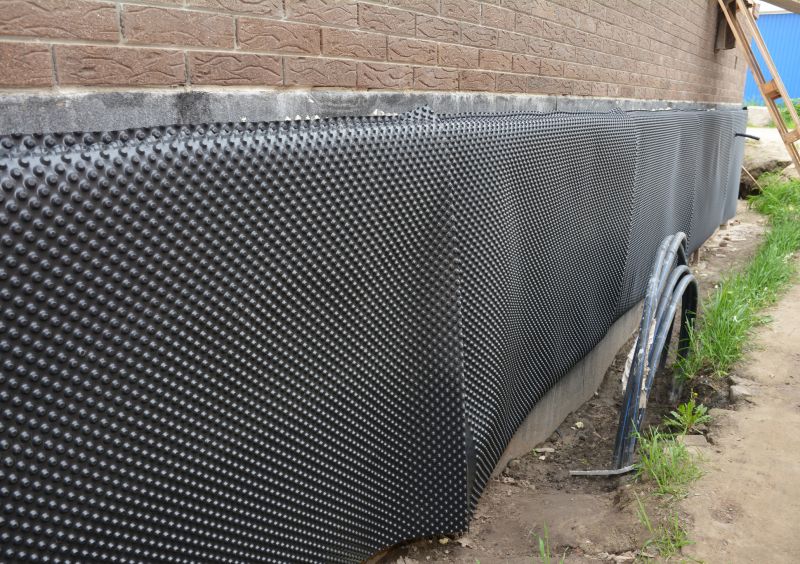 In Dacula, Georgia, ensuring proper waterproofing is essential for protecting structures from moisture intrusion, water damage, and related issues. Waterproofing products are designed to create a barrier that prevents water from penetrating surfaces such as foundations, basements, roofs, and walls. The selection of the right waterproofing solution depends on various factors including the type of surface, the extent of exposure to water, and the specific needs of the project.
Top Overall Option
Liquid Waterproofing Membrane
A versatile liquid membrane offers a seamless, flexible barrier that can be applied to a variety of surfaces including foundations, roofs, and walls. Its ease of application and ability to adapt to surface movements make it a popular choice for many waterproofing needs. When properly applied, it provides an effective layer of protection against water infiltration, helping to preserve structural integrity over time.
Types of Products For Waterproofings
Liquid Waterproofing Membranes
Flexible liquid coatings that form a seamless barrier on various surfaces, suitable for roofs, foundations, and decks.
Sheet Membranes
Pre-formed sheets made of rubber, asphalt, or plastic that provide durable waterproof barriers, ideal for basements and roofing.
Bituminous Coatings
Asphalt-based coatings that create a protective layer on roofs and foundations, offering resistance to water and weathering.
Polyurethane Coatings
High-performance coatings that are highly elastic, suitable for areas requiring flexibility and movement accommodation.
Cementitious Waterproofing
Ready-mixed cement-based products used mainly on concrete surfaces like basements and tunnels for reliable waterproofing.
Sealants and Caulks
Flexible sealants used to fill cracks and joints, preventing water ingress at vulnerable points.
Crystalline Waterproofing
Chemical treatments that penetrate concrete to form a waterproof crystalline structure within the material.
Liquid Rubber Coatings
Rubberized liquid coatings that provide waterproofing and flexibility for roofs and decks.
Waterproofing Paints
Specialized paints that create a water-resistant surface on walls and ceilings.
Vapor Barriers
Materials designed to prevent moisture vapor transmission through walls and floors.
Hydrostatic Pressure Membranes
Heavy-duty membranes designed to withstand water pressure from surrounding soil or water bodies.
Waterproofing Tapes
Self-adhesive tapes used to reinforce joints and seams in waterproofing systems.
Concrete Sealers
Sealers that penetrate concrete surfaces to reduce porosity and improve water resistance.
Flood Barriers
Temporary or permanent barriers used to prevent water entry during flooding events.
Waterproofing Admixtures
Chemical additives mixed into concrete to enhance its water resistance during curing.
Drainage Matting
Materials installed behind walls or under slabs to facilitate water drainage and reduce hydrostatic pressure.
Popular Choices
Widely used for their ease of application and adaptability across different surfaces.
Known for durability and seamless coverage, especially in foundation waterproofing.
Commonly applied on flat roofs and basements for reliable water resistance.
Popular for their elasticity and strong adhesion in areas with movement.
Favored for basement and tunnel applications due to its compatibility with concrete surfaces.
Essential for sealing cracks and joints in various structures to prevent water intrusion.
Chosen for its ability to chemically react within concrete, creating a durable barrier.
Valued for their flexibility and weatherproofing capabilities on roofs and decks.
Often used on walls and ceilings to add a water-resistant layer.
Commonly installed in floors and walls to control moisture vapor transmission.
Selected for projects where water pressure from soil or water bodies is a concern.
Useful for reinforcing seams and joints in various waterproofing systems.
Applied to concrete surfaces to enhance water resistance and surface durability.
Different environments and structures require different types of waterproofing materials. For instance, basements and foundations often benefit from sealants and membranes that can withstand hydrostatic pressure, while roofing applications might need flexible coatings or membranes that accommodate movement and weather fluctuations. Proper application and material choice can significantly extend the lifespan of a structure and reduce maintenance costs.
Waterproofing products come in various forms, including liquid coatings, sheet membranes, sealants, and cementitious mixes. Each type offers unique advantages suited for specific applications. Liquid coatings are easy to apply and can be used on a variety of surfaces, while sheet membranes provide a durable, seamless barrier. Sealants are ideal for filling cracks and joints, preventing water ingress at vulnerable points. Cementitious mixes are commonly used in basement walls and other concrete surfaces for their ease of use and compatibility.
When selecting waterproofing products, it is important to consider factors such as durability, ease of application, compatibility with existing materials, and the specific water exposure risks. Proper surface preparation and understanding the product’s specifications can ensure optimal performance. Consulting with waterproofing professionals or local suppliers can provide valuable insights tailored to the unique climate and conditions of Dacula, GA, helping homeowners and contractors make informed decisions for long-lasting protection.
Key Buying Considerations
- Identify the specific area or surface requiring waterproofing, such as roofs, basements, or walls.
- Determine the expected water exposure level and choose a product designed to withstand those conditions.
- Consider the flexibility and movement accommodation of the product, especially for areas prone to expansion or contraction.
- Evaluate the ease of application, including whether the product is suitable for DIY use or requires professional installation.
- Check compatibility with existing materials to ensure proper adhesion and performance.
- Review the product's drying or curing time to plan the application process accordingly.
- Assess the durability and lifespan of the product in relation to your project's long-term needs.
- Understand the environmental conditions, such as temperature and humidity, that may affect application and performance.
- Look into the product's resistance to UV rays, weathering, and chemical exposure if applicable.
- Consider whether the product offers seamless coverage and if it can bridge cracks or joints effectively.
- Review safety data sheets and handling instructions to ensure safe application and use.
- Determine if the product is suitable for the specific substrate, such as concrete, wood, or metal.
- Check for any warranties or guarantees offered by the manufacturer.
- Factor in the cost relative to the coverage area and expected longevity of the waterproofing solution.
- Consult local building codes and regulations to ensure compliance with standards.